Credit Card Fraud Lawyer 2026: Expert Legal Defense & Victim Rights
⚖️ Credit Card Fraud Lawyer 2026: Navigating Legal Defenses and Victim Rights in an AI-Driven World
Introduction: The Evolving Legal Battleground of 2026
In 2026, the financial world is more interconnected than ever. While we enjoy the speed of instant digital transactions, this hyper-connectivity has given rise to sophisticated financial crimes. Credit card fraud is no longer just about a lost wallet; it involves deepfake identity theft, AI-powered phishing, and complex international skimming rings. When the stakes are this high, a credit card fraud lawyer becomes an indispensable ally.
Whether you are a victim fighting a bank that refuses to reverse unauthorized charges, or an individual wrongly accused of a financial crime, the legal system in 2026 is a maze of federal and state statutes. From the Fair Credit Billing Act to modern digital privacy laws, understanding your position requires more than just a quick Google search—it requires professional legal expertise. This guide explores the role of a fraud lawyer, the legal protections available to US citizens, and the path to financial recovery after a breach.
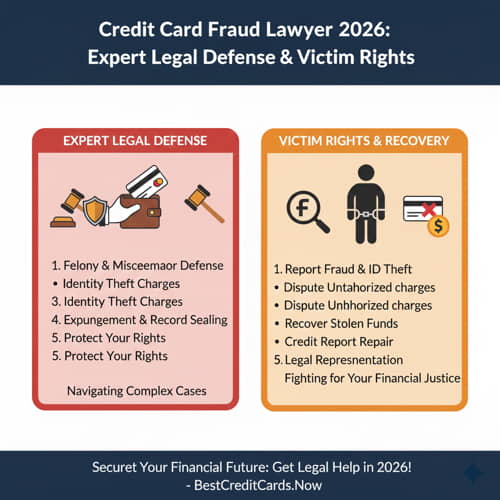 1. Why You Need a Credit Card Fraud Lawyer in 2026 (Expertise)
The role of a fraud lawyer is two-fold: they act as a shield for victims and a defense for the accused. In 2026, the complexity of “intent” in digital crimes makes legal representation crucial.
A. For the Victims: When Banks Say “No”
Most people assume that “Zero Liability” policies mean they are always protected. However, in 2026, banks are using advanced algorithms to flag “friendly fraud”—situations where they believe the cardholder actually made the purchase but is trying to avoid paying. If a bank denies your claim of a $5,000 unauthorized transaction, a lawyer can help you file a formal dispute and, if necessary, take the matter to court. This is why staying proactive is essential; learn more in The Best Way to Monitor Credit Card Statements for Fraud in 2026.
B. For the Accused: Navigating Prosecution
Being charged with fraud, even as a First Time Offense Credit Card Theft, can have life-altering consequences. A specialized lawyer understands how to challenge the evidence, often focusing on a “lack of intent” or “identity spoofing” where a third party committed the crime using the defendant’s device.
2. The Legal Framework: Federal and State Laws (Authoritativeness)
In 2026, credit card fraud is prosecuted under a mix of long-standing federal laws and new, state-specific digital crime acts.
-
The Fair Credit Billing Act (FCBA): This remains the primary federal law protecting US consumers. It limits your liability for unauthorized charges to $50, provided you report the fraud promptly.
-
The Electronic Fund Transfer Act (EFTA): This covers debit card fraud, which has different (and often stricter) reporting timelines than credit cards.
-
State-Level Identity Theft Statutes: States like New York, California, and New Jersey (as seen in the Christell White Paterson Case) have specific penalties that can range from heavy fines to years in prison.
To stay updated on how these laws affect your daily spending, refer to The Legal Landscape: Your 2026 Guide to Credit Card Laws.
3. Strategic Defense: How a Lawyer Challenges Fraud Charges (Experience)
If you are facing charges, a credit card fraud lawyer will typically look at several key defense strategies:
-
Authorization: Proving that the cardholder actually gave permission for the transaction, even if they later regretted it.
-
Mistaken Identity: In the age of IP-spoofing and VPNs, it is common for innocent individuals to be linked to a crime committed by a hacker.
-
Duress: In some cases, individuals are forced to commit fraud under threat.
-
Procedural Errors: Challenging how the evidence was collected (e.g., illegal search and seizure of digital devices).
Understanding the technical side of these transactions is vital. For instance, if a crime involved a modified Vending Machine Credit Card Reader, the defense may focus on the security vulnerabilities of the hardware itself.
4. Impact on Business Owners (Trustworthiness)
Small business owners are particularly vulnerable to fraud. In 2026, “Chargeback Fraud” is at an all-time high. When a customer falsely claims they didn’t receive a product, the business loses the item, the shipping cost, and the revenue.
A fraud lawyer can help business owners set up robust Terms of Service that protect against these losses. Furthermore, choosing the right financial tools can mitigate risk. We recommend checking the Best Business Credit Cards in 2026: Power Your Enterprise for cards that offer enhanced merchant protection.
5. Rebuilding After a Legal or Fraudulent Crisis
Whether you were a victim of a massive data breach or you have cleared your name after a legal misunderstanding, the road back to financial health is long.
A. Repairing the Credit Score
Fraud can leave your credit report in tatters. Late payments on unauthorized accounts can drop your score by hundreds of points. A lawyer can assist in drafting “Letters of Dispute” to the credit bureaus. You should also understand the timeline of this process: How Long Does It Take to Repair Bad Credit in 2026?.
B. Re-entering the Credit Market
Once the legal dust settles, you’ll need to re-establish trust with lenders. If you’ve been blacklisted by major banks, starting small is the key. Explore the Best Credit Cards to Build Credit in 2026: Start Your Financial Journey.
C. Overcoming Denials
If you find yourself repeatedly rejected for new lines of credit post-fraud, it’s important to identify the specific flags on your report. See our guide on Credit Card Application Denial Common Reasons in 2026.
6. How to Choose the Right Credit Card Fraud Lawyer
Not all lawyers are equipped for the digital age. When searching for representation in 2026, look for the following:
-
Cyber-Forensic Knowledge: Do they understand how blockchain, NFC, and AI-phishing work?
-
Federal Experience: Many credit card crimes cross state lines, making them federal offenses (FBI/Secret Service jurisdiction).
-
Transparency: A good lawyer should explain the “math” of your case, much like we explain Credit Card Interest: How It Works in 2026.
7. Prevention: The Best Legal Strategy is a Strong Defense
You can reduce your need for a credit card fraud lawyer by practicing high-level digital hygiene:
-
Virtual Numbers: Use them for all online subscriptions.
-
Account Freezes: If you aren’t planning a big purchase, keep your credit frozen at the three major bureaus. This is explained in depth in Credit Score Unlocked: The 2026 Definitive Guide.
-
Education: Teach the next generation. If a family member is just starting, share our guide on How to Use a Credit Card Responsibly for Beginners: Your Smart Start Guide.
Conclusion: Securing Your Financial Future
In 2026, credit card fraud is a reality of the digital economy. While the technology to steal information has improved, so has the technology and legal expertise to fight back. A credit card fraud lawyer is more than just a legal representative; they are a vital protector of your financial identity and your future borrowing power.
By staying informed about your rights, monitoring your accounts religiously, and knowing when to call in professional help, you can move from “Zero to Hero” in the credit world. For a complete roadmap on mastering your financial profile, don’t miss our pillar post: Best Credit Cards 2026-Credit History Zero to Hero.

Best Credit Cards 2026: Protecting Your Identity from Fraud

Credit Union Business Credit Cards 2026: Save on Interest & Fees

Deserve Credit Cards Review 2026: Best for Students & Immigrants
About The Author
